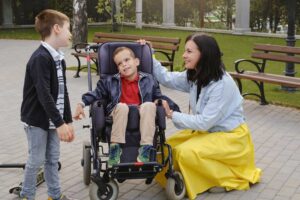
People with disabilities are students, professionals, artists, athletes, leaders, and innovators. They contribute meaningfully to families, workplaces, and communities when given equal access and opportunities.
Understanding Disability
Disability can be physical, sensory, intellectual, or psychological. Some disabilities are visible, while others are invisible. A person may be born with a disability or acquire one later in life due to illness, injury, or age. Each experience is unique, and no single definition can capture the diversity of disability.
Reducing people to their disabilities ignores their abilities, talents, and potential.
Ability Beyond Limitations
Throughout history and in everyday life, people with disabilities have demonstrated extraordinary determination and skill. With appropriate support, assistive technology, and inclusive environments, they achieve academic success, professional excellence, and personal fulfillment.
Ability is not measured by physical strength or speed, but by creativity, resilience, intelligence, and perseverance.
The Role of Society
Many challenges faced by people with disabilities stem from inaccessible infrastructure, limited educational resources, and negative social attitudes. When buildings, transportation, websites, and workplaces are designed inclusively, barriers are removed and independence is strengthened.
Inclusion is not charity—it is a fundamental human right.
Promoting Awareness and Inclusion
Creating an inclusive society requires:
-
Respectful language and positive representation
-
Equal access to education, employment, and healthcare
-
Barrier-free physical and digital environments
-
Policies that protect rights and promote participation
Awareness leads to understanding, and understanding leads to meaningful change.
Conclusion
Disability does not diminish a person’s value or potential. Every individual deserves dignity, respect, and the opportunity to succeed.
Disability is not inability—it is a part of human diversity.
By embracing inclusion and accessibility, we build a society where everyone can thrive.